การสอบ IELTS Speaking เป็นพาร์ตที่หลายคนกังวลที่สุด เพราะต้อง “พูด” ต่อหน้ากรรมการผู้คุมสอบ ไม่มีสคริปต์ให้ท่อง และคำถามก็เปลี่ยนตลอดปี ทำให้น้อง ๆ ที่กำลัง เรียน IELTS หรืออยู่ในช่วง เตรียมตัวสอบ IELTS มักไม่แน่ใจว่า ควรฝึกจากตรงไหนก่อนดี?
ความจริงแล้ว การทำคะแนน Speaking ให้ดีไม่จำเป็นต้องพูดเก่งเหมือนเจ้าของภาษา แต่ต้อง “รู้แนวคำถามที่ออกบ่อย” และฝึกตอบอย่างเป็นธรรมชาติให้ตรงเกณฑ์การให้คะแนน ไม่ว่าจะเป็นสาย IELTS General หรือ IELTS Academic แนวคำถามพื้นฐานก็ยังวนอยู่ในกรอบเดิม
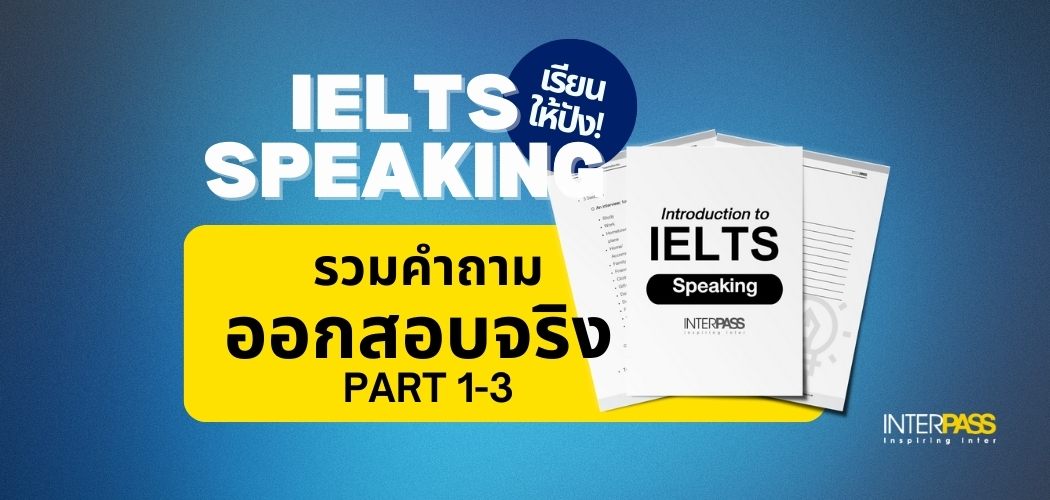
บทความนี้รวบรวม คำถาม IELTS Speaking ครบทั้ง Part 1, Part 2 และ Part 3 ที่มีโอกาสออกสอบพร้อมแนวทางฝึกตอบที่ใช้ได้จริง
แนวข้อสอบ IELTS Speaking คืออะไร? ทำไมคนเรียน IELTS ต้องรู้ก่อนสอบ?
แนวข้อสอบ IELTS Speaking คือรูปแบบคำถามและโครงสร้างการสอบที่น้อง ๆ จะต้องเจอจริงในห้องสอบ ซึ่งถูกออกแบบมาเพื่อวัด “ความสามารถในการสื่อสารภาษาอังกฤษ” ไม่ใช่การท่องจำคำตอบสำเร็จรูป ดังนั้นน้อง ๆ ที่กำลัง เรียน IELTS หรืออยู่ในช่วง เตรียมตัวสอบ IELTS จำเป็นต้องเข้าใจโครงสร้างนี้ก่อน เพื่อวางแผนฝึกให้ตรงจุด
การสอบ Speaking แบ่งออกเป็น 3 ส่วนหลัก ได้แก่
- Part 1: คำถามเกี่ยวกับชีวิตประจำวัน
- Part 2: การพูดเดี่ยวจาก Cue Card เป็นเวลา 1–2 นาที
- Part 3: การสนทนาเชิงความคิดเห็นและเหตุผล
เหตุผลที่การรู้แนวข้อสอบสำคัญมาก เพราะช่วยลดความตื่นเต้นในห้องสอบได้อย่างชัดเจน เมื่อน้อง ๆ รู้ล่วงหน้าว่าคำถามมาแนวไหน ควรตอบยาวแค่ไหน และ examiner ต้องการฟังอะไร ก็จะสามารถแสดงศักยภาพได้เต็มที่ ซึ่งเป็นหัวใจของการ ติวสอบ IELTS ให้คะแนน Speaking เพิ่มขึ้นจริง
IELTS Speaking Part 1 – คำถามชีวิตประจำวัน ที่ออกสอบซ้ำสูงมาก
IELTS Speaking Part 1 เป็นช่วงวอร์มอัป ใช้เวลาประมาณ 4–5 นาที โดย examiner จะถามคำถามสั้น ๆ เกี่ยวกับตัวน้อง ๆ และเรื่องใกล้ตัว จุดเด่นของพาร์ตนี้คือ หัวข้อออกซ้ำสูงมาก และไม่ว่าน้อง ๆ จะสอบ IELTS General Training หรือ IELTS Academic ก็จะเจอคำถามแนวเดียวกัน
ในพาร์ตนี้ examiner จะถามคำถามเกี่ยวกับ ตัวน้อง ๆ และชีวิตประจำวัน โดยหัวข้อที่ออกสอบซ้ำสูง ได้แก่
- Work / Study
- Hometown / Home
- Hobbies & Leisure time
- Food / Shopping
- Transport / Weather
- Family & Friends
- Internet / Technology
หัวข้อเหล่านี้เป็นพื้นฐานที่น้อง ๆ ควร เตรียมไอเดียล่วงหน้า แต่ไม่ควรท่องคำตอบทั้งดุ้น หากฝึก Part 1 มาดี น้อง ๆ จะเริ่มสอบได้อย่างมั่นใจ พูดลื่นตั้งแต่ต้น และสร้างความประทับใจแรกให้ examiner ซึ่งส่งผลเชิงบวกต่อคะแนน Speaking โดยรวมอย่างมาก
ตัวอย่างคำถาม IELTS Speaking Part 1
Work (การทำงาน)
- What is your job?
- Where do you work?
- Why did you choose that job?
- Is it a popular job in your country?
- Do you like your job?
- Do you get on well with your colleagues?
- What responsibilities do you have at work?
- What was your first day at work like?
- If you had the chance, would you change your job?
- Do you plan to continue with your job in the future?
Study (การเรียน)
- What do you study?
- Where do you study?
- Why did you choose that subject?
- Is it a popular subject in your country?
- Do you enjoy studying that subject?
- What are the main aspects of your subject?
- What was your first day at university or school like?
- If you had the chance, would you change your subject?
- Do you plan to get a job in the same field?
หมายเหตุ: หากน้อง ๆ ไม่ได้ทำงานหรือเรียน ให้ตอบตรงไปตรงมา Examiner อาจจะเปลี่ยนไปถามเรื่อง home หรือ
hometown แทน
Hometown (บ้านเกิด)
- Where is your hometown?
- Do you like your hometown?
- What is your hometown like?
- Do you often visit your hometown?
- What is the oldest place in your hometown?
- What can foreigners do or see there?
- Has your hometown changed much since you were a child?
- Is there good public transportation in your hometown?
- How could your hometown be improved?
- Do you think your hometown is a good place to raise children?
Home (ที่อยู่อาศัย)
- Where is your home?
- Do you live in a house or a flat?
- Who do you live with?
- Are there many rooms in your home?
- What is your favourite room?
- How are the walls decorated?
- What would you like to change about your home?
- Do you plan to live there in the future?
- What facilities are near your home?
- What is your neighbourhood like?
Daily Routine & Leisure Time
- When do you usually get up?
- Do you have the same routine every day?
- What is your daily routine like?
- Do you ever change your routine?
- Is your routine different from when you were a child?
- What do you like doing in your free time?
- Do you prefer spending free time alone or with others?
- Do most people in your country have two days off per week?
Hobbies & Happiness
- Do you have a hobby?
- What equipment do you need for it?
- Did you have the same hobby as a child?
- What hobbies are popular in your country?
- Why do you think people have hobbies?
- Are you a happy person?
- What usually makes you happy?
- Does the weather affect your mood?
Food & Going Out
- What is your favourite food?
- Is there any food you dislike?
- What is a common meal in your country?
- Do you have a healthy diet?
- What do you think of fast food?
- Do you often go out in the evenings?
- What do you like to do when you go out?
- Do you prefer going out alone or with friends?
Technology & Internet
- Do you often use a computer?
- How do you usually get online?
- What do you use the internet for?
- Do you have your own computer?
- What is your favourite website?
- Do you think children in your country frequently use the internet?
Entertainment & Media
Music
- Do you like music?
- What kind of music do you like?
- Did you learn music at school?
- Do you think music is important?
TV & Newspapers
- Do you often watch TV?
- What kind of programmes do you watch?
- Do you read newspapers or news online?
- How do people usually get news in your country?
Transport & Weather
Transport
- How did you get here today?
- What is your favourite mode of transport?
- Do you often use public transport?
- Do you like the transport system in your country?
Weather
- What’s the weather like today?
- What kind of weather do you like most?
- Does the weather affect how you feel?
- Does weather ever affect transportation in your country?
เทคนิคตอบ IELTS Speaking Part 1 ให้เป็นธรรมชาติ ไม่ท่องจำ
หนึ่งจุดที่น้อง ๆ ซึ่งกำลัง เรียน IELTS มักพลาดบ่อยที่สุด คือการพยายามท่องคำตอบยาว ๆ ทั้งดุ้น ซึ่งเสี่ยงมาก เพราะหากคำถามเปลี่ยนเพียงเล็กน้อย น้อง ๆ อาจพูดต่อไม่ออก วิธีที่ถูกต้องคือ เตรียม “ไอเดีย” ไม่ใช่ท่อง “สคริปต์”
เทคนิคที่ใช้ได้จริงในการ ติว IELTS Speaking Part 1 ได้แก่
- เตรียม key ideas 2–3 ประเด็นต่อหนึ่งหัวข้อ
- ตอบเป็นประโยคสั้นถึงกลาง ไม่ยาวหรือซับซ้อนเกินไป
- เติมเหตุผลหรือรายละเอียดเล็กน้อย เพื่อให้คำตอบดูเป็นธรรมชาติ
- ฝึกเปลี่ยนคำศัพท์และโครงสร้างประโยค ไม่ใช้แพทเทิร์นเดิมซ้ำ ๆ
จำไว้ว่าสิ่งที่ examiner ต้องการไม่ใช่คำตอบที่ดูหรูที่สุด แต่คือคำตอบที่ ฟังเข้าใจง่าย เป็นธรรมชาติ และสื่อสารได้ชัดเจน
IELTS Speaking Part 2 (Cue Card) – วางโครงยังไงให้พูดได้ครบ 2 นาที
IELTS Speaking Part 2 เป็นพาร์ตที่น้อง ๆ หลายคนกังวล เพราะต้องพูดคนเดียวต่อเนื่อง 1–2 นาที ภายในเวลาจำกัด แต่ความจริงแล้ว พาร์ตนี้เป็นพาร์ตที่ “อัปคะแนนได้เร็ว” มาก หากรู้วิธีวางโครงคำตอบให้ถูกต้อง
หัวข้อ Cue Card ส่วนใหญ่อยู่ใน 5 กลุ่มหลัก ได้แก่
- Object (สิ่งของ)
- Person (บุคคล)
- Place (สถานที่)
- Event / Occasion (เหตุการณ์)
- Activity (กิจกรรม)
แนวทางที่แนะนำให้ใช้ คือ การแบ่งคำตอบออกเป็น 4 ช่วงชัดเจน
- เกริ่นแนะนำหัวข้อ
- อธิบายรายละเอียดหลัก
- เล่าประสบการณ์หรือความรู้สึก
- สรุปเหตุผลหรือความคิดเห็น
โครงสร้างแบบนี้จะช่วยให้น้อง ๆ พูดได้ครบเวลา ไม่หลุดประเด็น และลดช่วงเงียบระหว่างการพูด อีกทั้งยังเปิดโอกาสให้น้อง ๆ เลือกใช้ คลังคำศัพท์และสำนวน (idioms หรือ natural expressions) ที่เหมาะกับหัวข้อได้อย่างเป็นธรรมชาติ ซึ่งเป็นปัจจัยสำคัญต่อการทำ Band Score สูงใน IELTS Speaking
ตัวอย่างคำถาม IELTS Speaking Part 2
Object (สิ่งของ)
- Describe a book you have recently read.
- Describe a piece of art you like.
- Describe a gift you recently gave to someone.
- Describe a photograph you like.
- Describe a song or piece of music you enjoy.
- Describe a useful website you often visit.
- Describe a law you think is good.
- Describe a language you have learned.
- Describe an object that is important to you.
Person (บุคคล)
- Describe a person you admire.
- Describe someone you respect.
- Describe a person you know who is kind.
- Describe a family member you get on well with.
- Describe an old person you know.
- Describe a teacher who influenced you.
- Describe a friend you like spending time with.
- Describe a person who helped you recently.
Place (สถานที่)
- Describe a place that you find peaceful.
- Describe a place you have recently visited.
- Describe a place near water.
- Describe your favourite shop.
- Describe a place with animals (e.g. a zoo).
- Describe a place where people like to relax.
- Describe a city or town you would like to visit.
Event / Occasion (เหตุการณ์)
- Describe a piece of advice you recently received.
- Describe a time of the day you like.
- Describe a time you were embarrassed.
- Describe some good news you recently received.
- Describe an unexpected event.
- Describe a journey that didn’t go as planned.
- Describe a time you helped someone.
Activity (กิจกรรม)
- Describe an activity you do to relax.
- Describe an interesting hobby.
- Describe an exercise you know.
- Describe a sport you would like to learn.
- Describe something you enjoy doing in your free time.
- Describe an activity you did with your family.
โดยในแต่ละคำถามจะมาพร้อมคำถามย่อยเพื่อให้อธิบายรายละเอียดประกอบด้วย อ่านคำถามย่อยให้ครบเพื่อจะได้คิดคำตอบให้ครอบคลุมครบทุกประเด็น เช่น
Describe a time when you helped someone.
You should say:
– who you helped and why
– how you helped this person
– what the result was
and explain how you felt about helping this person.
📌 เคล็ดลับ
Cue Card ทุกข้อสามารถใช้ “โครงตอบเดียวกัน” ได้ หากน้อง ๆ ฝึกวางโครงเป็นระบบ จะช่วยให้พูดได้ครบ 2 นาทีโดยไม่หลุดประเด็น
IELTS Speaking Part 3 – คำถามเชิงความคิดเห็น ที่ดันคะแนน Band สูง
IELTS Speaking Part 3 เป็นช่วง discussion ใช้เวลาประมาณ 4–5 นาที คำถามจะต่อยอดจาก Part 2 แต่เปลี่ยนจากเรื่องส่วนตัว เป็นประเด็นระดับสังคม โลก หรือแนวคิดทั่วไป
ใน Part นี้ examiner จะประเมินว่า น้อง ๆ สามารถ
- อธิบายเหตุผลได้หรือไม่
- เปรียบเทียบมุมมองได้หรือไม่
- ยกตัวอย่างสนับสนุนความคิดได้หรือไม่
สำหรับน้อง ๆ ที่ ติวสอบ IELTS อย่างเป็นระบบ จะรู้ว่า Part 3 ไม่มีคำตอบถูกหรือผิด สิ่งสำคัญคือการตอบให้ มีเหตุผล ชัดเจน และขยายความได้ดี ซึ่งเป็นกุญแจสำคัญของ Band 7–8
ตัวอย่างคำถาม IELTS Speaking Part 3
Education
- What makes a good student?
- How is education different now compared to the past?
- What is the role of teachers in modern classrooms?
- Do you think computers will replace teachers?
- How do children and adults learn differently?
Work & Business
- Is job satisfaction more important than salary?
- What skills are needed to get a good job nowadays?
- How has technology changed the way people work?
- What makes a business successful?
- Do you think family businesses are problematic?
Technology & Internet
- How has the internet changed our lives?
- Is all information on the internet reliable?
- Is the internet safe for children?
- How has technology changed communication?
- Do people rely too much on technology?
- Should children use the internet unsupervised?
Culture & Society
- Why is culture important to a country?
- How has culture changed in recent decades?
- Is foreign culture influencing local culture?
- Should traditions be preserved?
- Are young people less interested in traditions today?
Media & Entertainment
- Do you think TV influences the way people think?
- How do people get news today?
- Are celebrities good role models?
- What makes a movie successful?
- Do people prefer watching films at home or in cinemas?
Environment
- What are the biggest environmental problems in your country?
- How can individuals protect the environment?
- Should governments spend more money on protecting nature?
- Do you think climate change is a serious issue?
- Are young people more environmentally aware today?
Health & Lifestyle
- How can people improve their health?
- Is a healthy diet important?
- Should health care be free?
- Do elderly people exercise enough?
- Will people be healthier in the future?
Travel & Transportation
- Why do people like travelling abroad?
- How has travel changed in recent decades?
- Is public transportation good in your country?
- How can transportation systems be improved?
- Should people use cars less and walk more?
Family & Relationships
- Is family important in your country?
- How has family life changed over time?
- What role do grandparents play in families?
- Who should take care of elderly people?
- Do families spend enough time together nowadays?
ควรฝึก IELTS Speaking เอง หรือเรียนคอร์ส IELTS ถึงจะเห็นผลเร็วกว่า?
คำถามยอดฮิตของน้อง ๆ ที่เตรียมสอบคือ ควรฝึก IELTS Speaking ด้วยตัวเอง หรือควรเลือกเรียนกับสถาบันดี โดยมักค้นหาว่า เรียน IELTS ที่ไหนดี หรือ ติว IELTS ที่ไหนดี คำตอบขึ้นอยู่กับพื้นฐานและเวลาที่น้อง ๆ มี
- หากพื้นฐานค่อนข้างดีและมีวินัย การฝึกเองจากแนวข้อสอบจริงก็สามารถพัฒนาได้
- แต่หากต้องการผลลัพธ์เร็ว ต้องการ feedback ตรงจุด การ ติว IELTS หรือเรียน คอร์ส IELTS จะช่วยประหยัดเวลาและลดการลองผิดลองถูกได้มาก
โดยเฉพาะ Speaking ซึ่งเป็นทักษะที่ต้องอาศัยการฟัง การแก้ไข และคำแนะนำจากผู้เชี่ยวชาญ การมีโค้ชช่วยดูแลจะทำให้น้อง ๆ พัฒนาคะแนนได้เร็วและมั่นใจกว่าอย่างเห็นได้ชัด
คอร์สเรียน IELTS ที่ Interpass ครบ จบ ทุก Skill
Interpass ออกแบบคอร์สเรียนเพื่อเตรียมสอบ IELTS อย่างเป็นระบบ ครอบคลุมตั้งแต่พื้นฐานจนถึงระดับเทคนิคขั้นสูง ทุกคอร์สถูกพัฒนาโดยครูผู้สอนที่ผ่านการอบรมจาก IDP และมีประสบการณ์ตรงกับข้อสอบจริง พร้อมระบบเรียนรู้ที่ช่วยให้ผู้เรียนเห็นพัฒนาการของตัวเองได้ชัดเจน
1. คอร์สพื้นฐาน Grammar & English Foundation
- Grammar Foundation
คอร์สปรับพื้นฐานไวยากรณ์ในเวลาเพียง 15 ชม. เน้นเนื้อหาจำเป็น เข้าใจง่าย
🔗 ดูรายละเอียดคอร์ส - English Foundation
ฝึกครบทั้งฟัง-พูด-อ่าน-เขียน 24 ชม. เหมาะกับผู้ที่ยังไม่มั่นใจทักษะภาษาอังกฤษ
🔗 ดูรายละเอียดคอร์ส
2. IELTS All-in-One (อัปเดตใหม่ล่าสุด)
- คอร์สเรียนที่รวม 4 ทักษะหลัก: Listening, Reading, Writing, Speaking
- เน้นเทคนิคทำข้อสอบ พร้อมฝึกจริง
- พิเศษ: มี E-Workbook สำหรับทำแบบฝึกหัดออนไลน์ และ ระบบ Tracking เพื่อติดตามความก้าวหน้าแบบรายบุคคล
🔗 ดูรายละเอียดคอร์ส
3. Expert for IELTS
- แพ็คเกจรวมคอร์สที่ครอบคลุมทุกเนื้อหา พร้อมจัดการเวลาอย่างมีประสิทธิภาพ
- เหมาะกับน้อง ๆ ม.ปลาย – นิสิต นักศึกษา ที่ต้องการปูพื้นฐานและเตรียมสอบอย่างจริงจัง
- มีทั้งเรียนสดและออนไลน์ พร้อมฟีเจอร์เสริมครบ เช่น iWRITE ตรวจ writing พร้อม Feedback ไม่จำกัดครั้ง , iSPEAK ส่งคลิปเสียงติวพูดไม่อั้น ผ่านไลน์ พร้อมคำแนะนำภายใน 7 วัน, Mock Speaking ซ้อมสอบพูดตัวต่อตัวกับเจ้าของภาษา ฯลฯ
4. Express for IELTS (แพ็คเกจรวมคอร์สเร่งรัด)
- สำหรับผู้ที่มีพื้นฐานอยู่แล้ว และต้องการเรียนแบบรวดเร็ว
- ตัดบทเรียนพื้นฐานออก เหลือเฉพาะเทคนิคทำคะแนน
- เหมาะกับคนทำงาน หรือผู้ที่มีเวลาน้อย ต้องการเรียนออนไลน์แบบยืดหยุ่น
5.IELTS ตะลุยโจทย์
หากเป้าหมายของน้อง ๆ คือการอัปคะแนนให้ได้ Band 7.0+ คอร์ส IELTS ตะลุยโจทย์ จะเป็นทางเลือกที่ดี ด้วยการฝึกทำโจทย์จริงกว่า 500 ข้อ พร้อม Simulation Test ที่ช่วยให้น้อง ๆ คุ้นเคยกับรูปแบบการสอบ
คอร์สเฉพาะทาง เสริมจุดอ่อนแต่ละทักษะ
- Writing for IELTS
เน้นฝึก Task 1 & 2 พร้อม Feedback รายบุคคล ช่วยยกระดับคะแนนเฉพาะพาร์ทการเขียน - Speaking for IELTS
ฝึกตอบคำถามจริง พร้อมเทคนิคตอบเป็นโครงสร้าง สร้างความมั่นใจก่อนสอบจริง กับ Native Speaker
สถิติความสำเร็จ – นักเรียน Interpass ได้ Band 7+
🎬 รวมรีวิวนักเรียนจริง:
รีวิวจากนักเรียนที่สอบผ่านจริง
“เรียนกับพี่กิ๊บ เนื้อหาแน่นมาก ทุก Skills ที่สอนได้ใช้จริง ๆ เทคนิคที่แนะนำได้นำไปใช้ได้ บรรยากาศในห้องเรียนไม่เครียดเกินไป ถามได้ทุกเรื่อง
เรียนกับพี่นันก็บรรยากาศ Friendly ได้ฝึกเยอะมากในคอร์สตะลุยโจทย์ ฟีดแบ็กละเอียด นำไปปรับใช้ในการสอบจริงได้เลยครับ”
ทำไมควรสอบที่ศูนย์สอบ IELTS Interpass ดีกว่าที่อื่นอย่างไร?
การเลือก ศูนย์สอบ IELTS ที่ได้มาตรฐาน คืออีกหนึ่งปัจจัยสำคัญที่ช่วยให้น้อง ๆ ทำคะแนนได้ดีในวันสอบจริง โดยเฉพาะเมื่อสอบในบรรยากาศที่คุ้นเคยและมีระบบการจัดสอบที่เป็นมืออาชีพ ซึ่งศูนย์สอบ Interpass มีจุดเด่นที่แตกต่างชัดเจน เช่น
- ศูนย์สอบมาตรฐานระดับสากล ได้รับการรับรองจาก IDP
- อุปกรณ์สอบครบครัน ทั้งระบบคอมพิวเตอร์และห้องสอบ Speaking พร้อมเสียงชัด ไม่มีรบกวน
- ทีมงานดูแลตลอดกระบวนการสอบ ตั้งแต่ลงทะเบียนจนถึงสอบจริง
- เรียน + สอบในที่เดียว ลดความเครียด เพราะได้ซ้อมในสภาพแวดล้อมเดียวกับวันสอบจริง
- คำแนะนำจากติวเตอร์และพี่โค้ชผู้เชี่ยวชาญ IELTS โดยตรง ช่วยวางแผนให้ได้คะแนนตามเป้าหมาย